Expand Gait, Balance and Mobility Rehabilitation With MiraColt™
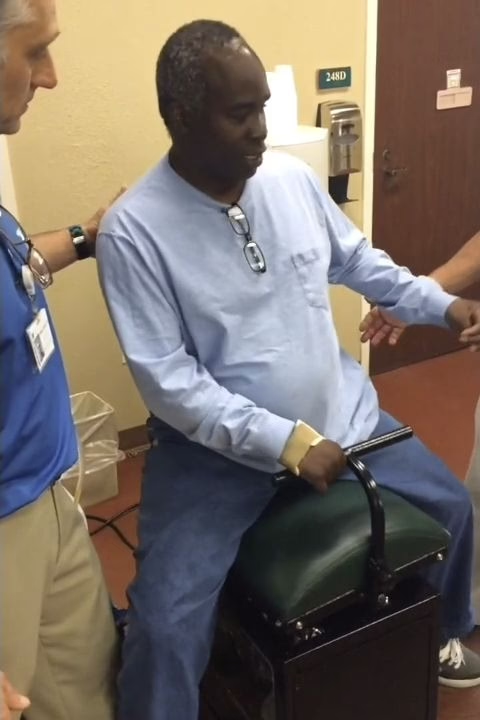
The MiraColt™ brings the complex, multidirectional movement of a horse’s walking gait directly into the clinical setting, closely mirroring the natural movement of the human pelvis during walking. This consistent, rhythmic motion engages the pelvis and trunk, creating opportunities for therapists to challenge postural control, trunk stability, balance and coordination through functional, goal-directed activities. From neurological rehabilitation and gait-related training to improving mobility and independence, MiraColt adds a unique dimension to individualized treatment programs.
Support Balance, Posture and Gait Control/Mobility
Introduce rhythmic pelvic movement and active postural responses from a seated position. Connect the practice with the person’s walking and mobility goals.
Combine Mobility Simulation Gains With Functional Purpose & Activity
Layer reaching, weight shifts and two-handed activities onto the moving base—bringing balance, trunk control and coordination into the same task.
Integrate Into Existing & New Therapy & Exercise Programs
Offer repeatable walking-pattern movement in your clinic. Guide, observe and adapt each activity without organizing travel to a stable.
Put Walking-Gait Motion to Work in Your Practice.
The MiraColt™ brings coordinated, three-dimensional walking-gait motion to the pelvis and trunk through a moving seat. Combine that repeatable movement with purposeful tasks to challenge postural control, practice weight shifting and work toward functional goals.

How the MiraColt™ Is Changing Lives by Helping Children Learn to Walk
 Watch on KCRG ↗
A charity grant brought the MiraColt™ to Witwer Children’s Therapy, giving Olivia, born prematurely and working to build strength, repeated three-dimensional walking-gait movement without trips to a stable. Her mother describes smoother walking and less need to think about each step.
“She’s taking more steps independently”
Jodi Junge, Olivia’s mother · KCRG interview
Six Movements.
One Continuous Challenge.
Forward and back. Side to side. Up and down. Plus tilt and turn. Together, these six degrees of freedom create a changing base of support that invites active pelvic and trunk adjustments.
Start With the Skill Your Patient Needs.
Combine the MiraColt™ movement with individualized activities. Connect each session with a functional goal, then observe and document the person’s response.

Train the Building Blocks of Walking
- MiraColt Benefit
- MiraColt’s multimodal walking-pattern motion provides repeated practice opportunities for pelvic weight shifts, trunk alignment and coordinated movement in preparation for functional mobility.
- Try in a Session
- Practice pelvic weight shifts and trunk alignment with repeated walking-pattern movement, then connect the work with walking activities.
- Work Toward
- Controlled weight transfer, step consistency and mobility goals.
- Observe and Document
- Assistance, step consistency and walking distance in the relevant off-device task.
Make Balance Practice an Active Experience
- MiraColt Benefit
- MiraColt’s rhythmic motion surface prompts postural adjustments through the pelvis, trunk and upper body to train upright alignment and dynamic balance.
- Try in a Session
- Reach toward targets in different directions and return to an upright position while the base continues moving.
- Work Toward
- Controlled reaching and steadier positioning during everyday activities.
- Observe and Document
- Reaching range, postural responses and the prompts or support required.
Put Trunk Control Into a Purposeful Task
- MiraColt Benefit
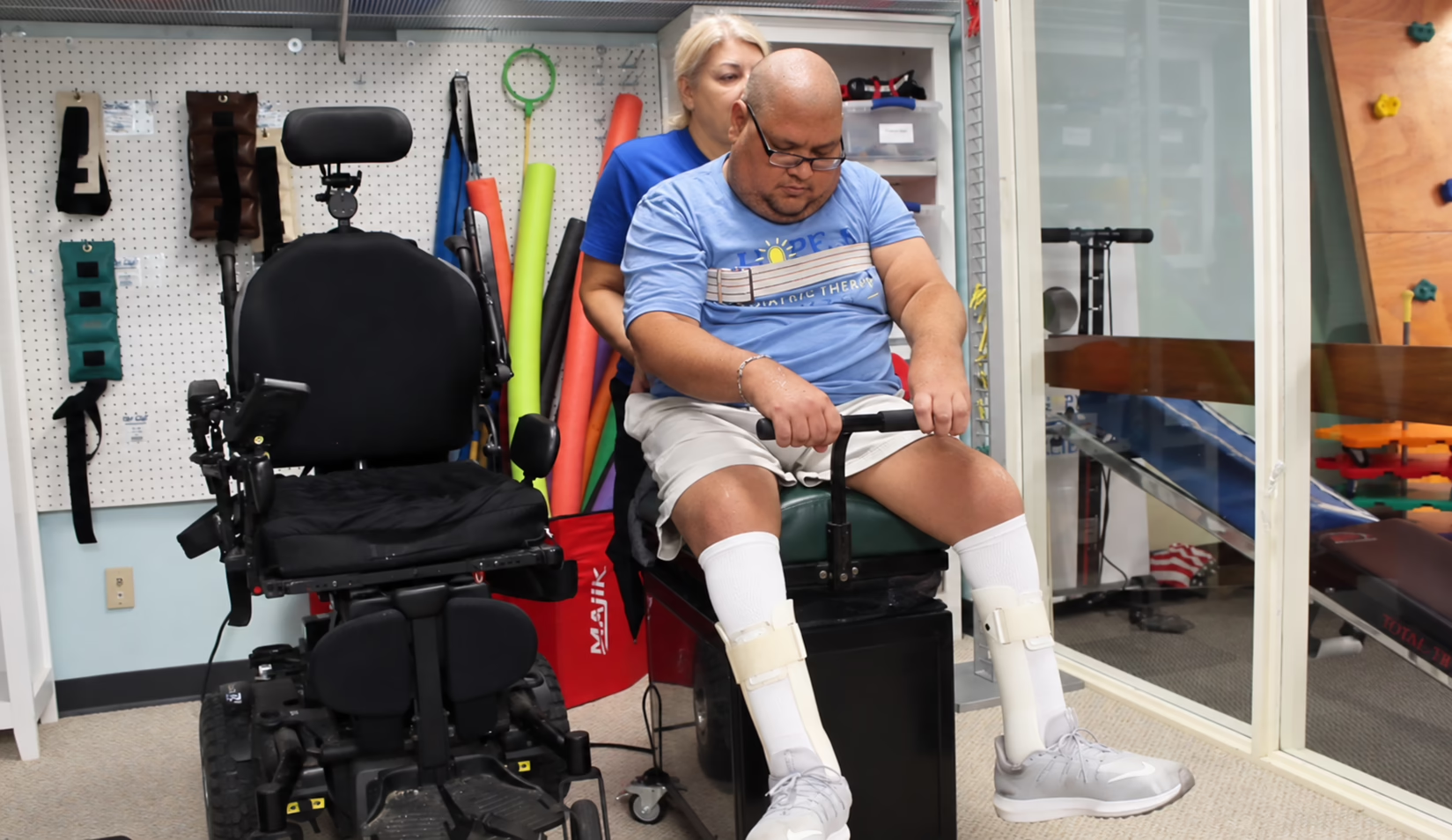
- Responding to MiraColt’s rhythmic, multidirectional movement engages the trunk muscles that support posture and maintain a steady base for purposeful activity.
- Try in a Session
- Grade supported sitting, upright holds and reaching tasks as the pelvis and trunk respond to rhythmic movement.
- Work Toward
- Sitting tolerance and participation in reaching or transfers.
- Observe and Document
- Duration, postural cues and assistance needed to complete the task.
Bring Movement and Motor Planning Together
- MiraColt Benefit
- MiraColt’s ongoing riding motion adds a dynamic challenge to reaching, timing and coordinated use of both sides of the body.
- Try in a Session
- Add alternating reaches, crossing the midline or a two-handed reach–grasp–place activity to the moving base.
- Work Toward
- Purposeful play, self-care and participation in everyday tasks.
- Observe and Document
- Accuracy, sequencing and the prompts needed for coordinated participation.
Connect Movement With Body Awareness
- MiraColt Benefit
- MiraColt’s rhythmic motion delivers vestibular and proprioceptive input as the patient practices recognizing body position and responding to movement.
- Try in a Session
- Pair predictable movement with a familiar reaching or object-handling task, adjusting positioning and support to the patient’s response.
- Work Toward
- Body awareness and participation in purposeful movement activities.
- Observe and Document
- Comfort, attention, movement responses and the assistance needed to participate.
Adapt activities for children and adults with neurological or developmental conditions, including cerebral palsy, autism, stroke, Parkinson’s disease and multiple sclerosis. Select movement, positioning and support through individual clinical assessment.
Plan a Session Around Measurable Progress
Set a Starting Point
Assess suitability, positioning and support needs. Select a functional goal and record a relevant baseline.
Grade the Challenge
Choose the motion speed, task and assistance. Adjust them in response to the patient’s performance and tolerance.
Check Carryover
Revisit the functional task off the device. Document observed change, skilled cues, assistance, treatment time and the next step.
Put the Evidence Into Your Therapy Decisions.
The research collection includes a direct MiraColt OT pilot, Parkinson’s conference findings and a senior care fall risk prevention proof-of-concept report from a seniors’ residential care facility.
Review the original sources →Deliver Skilled Therapy.
Use Familiar CPT Codes.
Integrate the MiraColt™ into goal-directed physical and occupational therapy. Use the established service code that matches the intervention you deliver, and document the functional goal, skilled input and treatment time.
Neuromuscular Re-education
Guide pelvic alignment, postural responses and coordinated movement on the moving base. Grade the challenge with skilled facilitation, cueing and assistance.
Therapeutic Activities
Turn reaching, weight shifting and two-handed activities into tasks linked to play, self-care and participation. Adapt the task to a specific functional goal.
Therapeutic Exercise
Direct active or assisted exercise around individualized strength, endurance or movement-range goals. Record the exercise dose, assistance and progression.
Document the skilled service and qualifying treatment minutes. Follow the patient’s payer requirements for medical necessity, coverage and payment.
Review Coding and Documentation Requirements ↗Build a Clear Investment Plan for Your Practice.
Use the starting example to plan session volume, revenue and an equipment budget. Adjust the figures for your practice and compare purchase and lease costs.
Your Practice Scenario
5 hours of session time / week10 clients × 1 session weekly × 12 weeks
120 sessions120 sessions × $70 per session
$8,40025% of session revenue allocated to equipment
$2,10010 sessions / week · $700 session revenue / week · 30 minutes / session
Compare the Budget With Lease Payments
- Equipment Budget for the Period$8,400 period revenue × 25% allocation
- $2,100
- $400 / month × 3 planning months
- $1,200
- Equipment Budget Remaining After Lease$2,100 allocated − $1,200 lease payments
- $900
12 monthly lease payments: $4,800 / year.
Plan the Purchase Across Its Useful Life
- Total Purchase InvestmentYour entered upfront purchase budget.
- $11,000
- Purchase Cost Spread Over Its Assumed Life$11,000 purchase ÷ 5 years assumed life
- $2,200 / year
- Annual Budget for Equipment$33,600 annual session revenue × 25% allocation
- $8,400 / year
At this allocation, the purchase budget is funded in about 1.31 years.
The annual projection repeats this weekly session volume across 48 operating weeks.
Make the Scenario Your Own
Enter valid values in each field.
The starting example uses a 30-minute skilled therapy session, two qualifying 15-minute units and an illustrative $70 collected per session ($35 per unit). Coding, qualifying time and payment follow the treatment delivered and payer rules. CMS timing guidance ↗
All figures are planning assumptions. The allocation is an equipment budget; session revenue also has staffing and other practice costs. Use actual collections and written purchase or lease terms. The period lease estimate uses four weeks per planning month; annual lease cost uses 12 monthly payments. Plan duration and device life are adjustable assumptions.
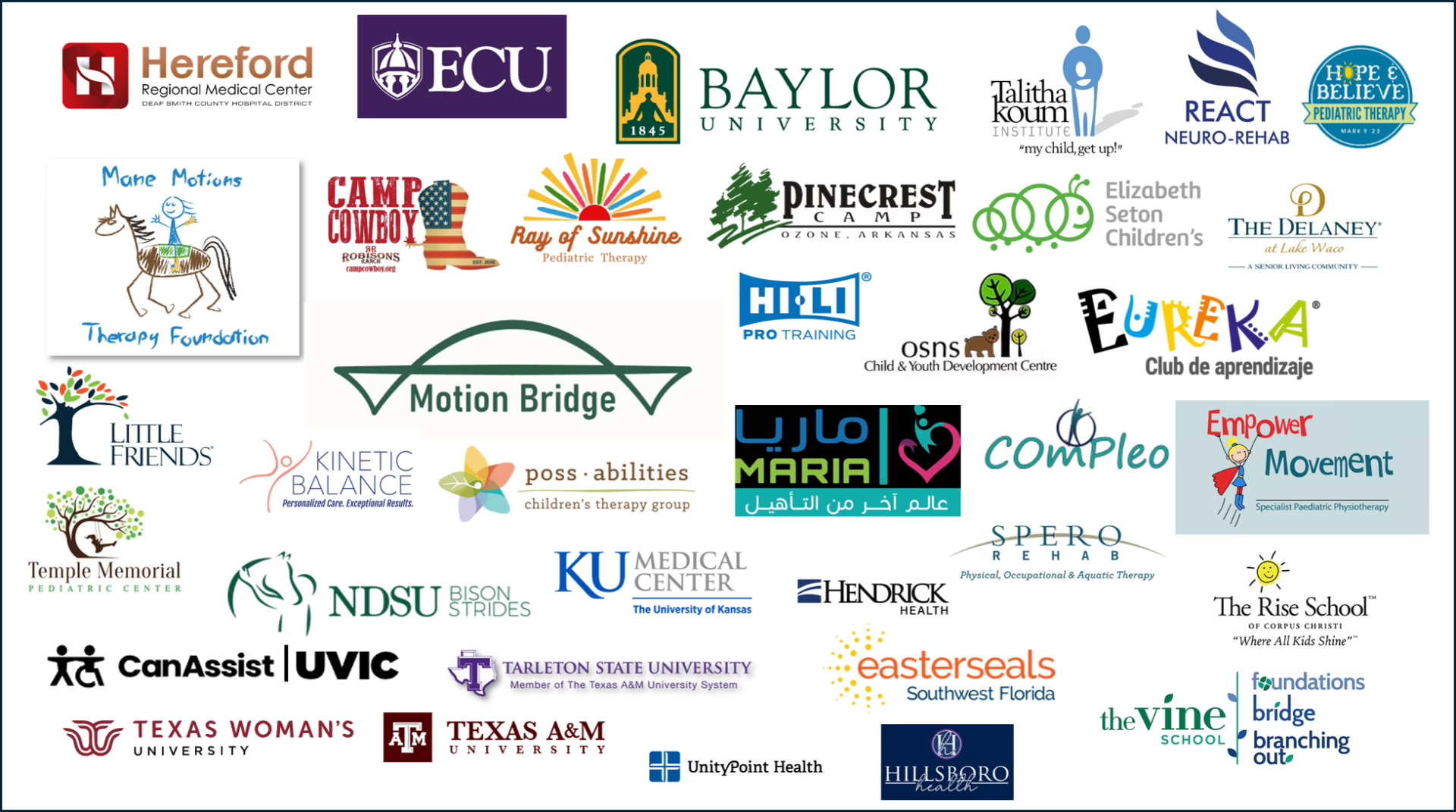
Explore the MiraColt™ Community

Bring the MiraColt™ Into Your Practice.
Build your implementation plan with our team. Get the product information, pricing and funding options to move forward.